Area Guide
Choosing the right home for your inventory shapes costs, lead times, and customer experience. It also affects working capital, because storage and transport sit at the heart of daily operations. For international traders and local distributors alike, warehousing is a high-stakes decision.
From our on-ground leasing work at Chestertons MENA, two locations keep coming up in demand from the clients: Jebel Ali Free Zone and Dubai Investments Park. Both are located at the core of Dubai’s industrial engine. By 2025, DIP reached 99.9% occupancy, and DP World reported 96% warehouse occupancy in JAFZA, thereby tightening supply and prompting tenants to plan earlier and negotiate more effectively.
Jebel Ali Free Zone (JAFZA): The Global Gateway
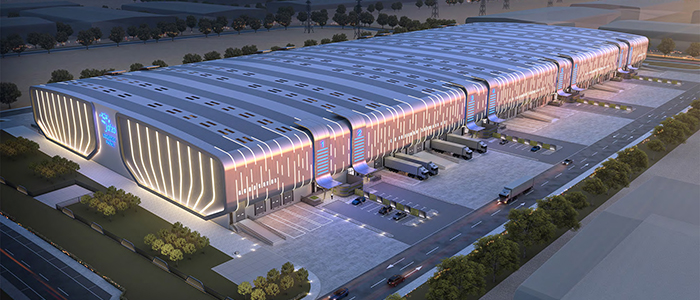 JAFZA earns its reputation through connectivity and scale. It is located next to Jebel Ali Port and close to major road corridors, facilitating fast movement among sea freight, trucking, and regional distribution. That connectivity matters when your business model depends on tight shipping windows, frequent container cycles, or high-volume import and re-export.
JAFZA also benefits from its free zone framework. That structure often appeals to companies that need a streamlined trade set-up and a location that supports cross-border activity without friction. As a result, the district attracts a large concentration of global logistics players, manufacturers, and trading firms, which helps build a mature ecosystem around freight, customs support, and industrial services.
Key Strengths Of A JAFZA Warehouse
- Strong port-adjacent logistics for import, export, and re-export cycles
- Established industrial ecosystem with experienced service providers
- Strong fit for regional distribution strategies and high-volume throughput
- Wider tenant mix that supports third-party logistics and consolidation models
JAFZA is Best For
A JAFZA warehouse for rent typically suits:
- International traders who re-export into the wider region
- Third-party logistics providers managing multiple client inventories
- High-turnover distributors who need port efficiency and scale
- Industrial operators who value an ecosystem of logistics support services
Not Suitable For
JAFZA can be less suitable when:
- Your operation runs on low margins and needs the lowest base rent
- Your deliveries concentrate inside city zones, and you want shorter last-mile routes
- You only need a small, flexible space and cannot commit to larger footprints
For a stronger location decision, read our latest blog: Basics of retail trade licensing in Dubai – Chestertons MENA.
Dubai Investments Park (DIP): The Urban-Connected Workhorse
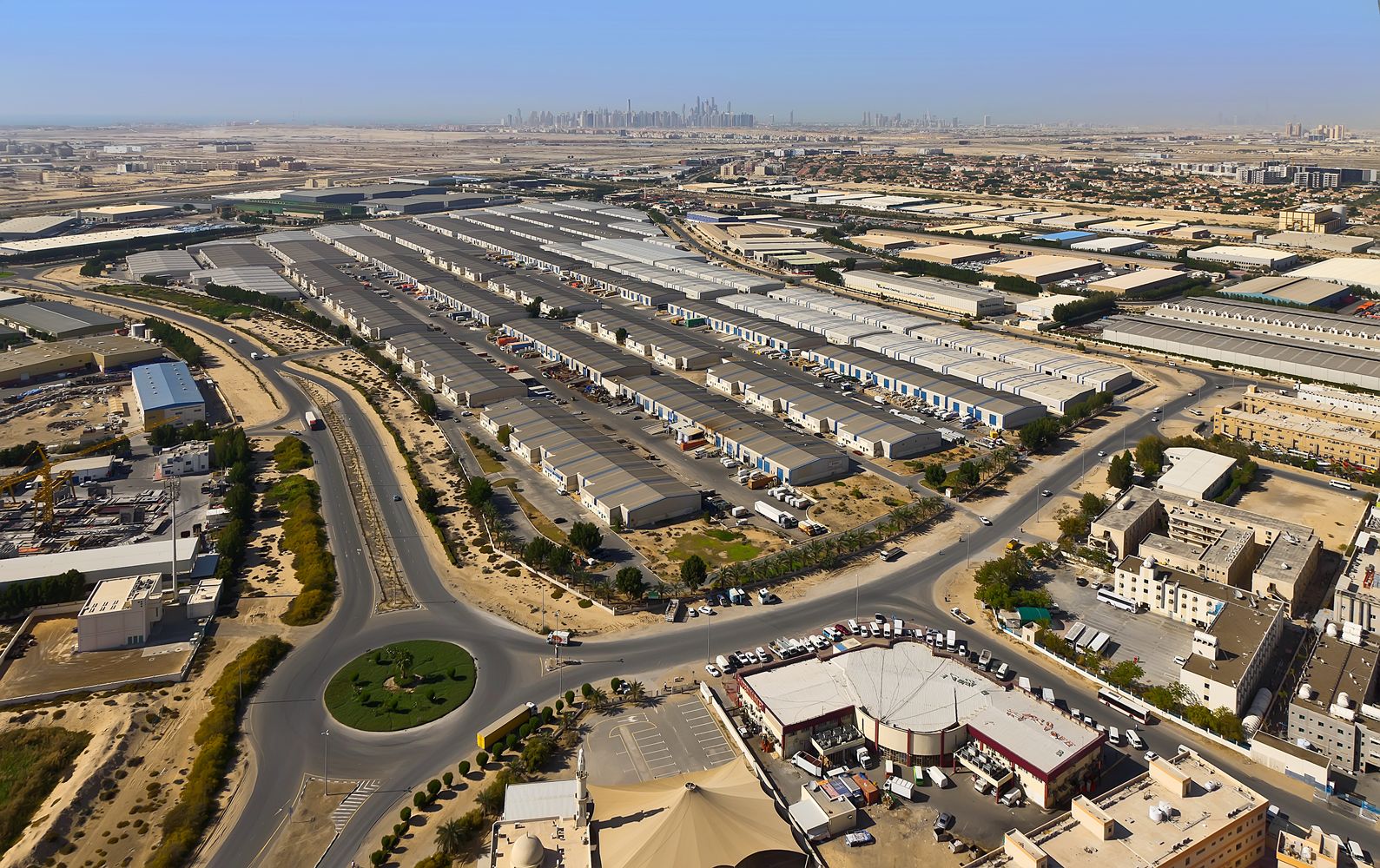
DIP plays a different role in Dubai’s industrial network. It supports manufacturers, distributors, and last-mile operations that want industrial zoning with strong internal road access and proximity to large population clusters. That usually helps companies that deliver frequently to retail locations, clinics, project sites, or consumer hubs.
DIP also stands out for variety. The area offers many warehouse types and business set-ups, including options that align well with general trading, light industrial activity, and specialised storage. For firms searching for a warehouse for rent in DIP, the decision often comes down to delivery pattern, workforce access, and the ability to scale in stages.
Key Strengths Of A DIP Warehouse
- Strong positioning for city-facing distribution and frequent deliveries
- Broad supply mix with options across sizes and specifications
- Practical for operations that blend storage, assembly, and light production
- Often easier to fit cold-chain and specialised storage requirements
Best For
A dip warehouse is typically a strong fit for:
- Local distributors serving supermarkets, retailers, and project sites
- E-commerce and last-mile operators focused on delivery speed
- Light manufacturers who need flexible industrial space
- Food and pharma businesses that need temperature-controlled logistics
Not Suitable For
DIP can be less suitable when:
- Your main cost driver is port adjacency for container-heavy operations
- Your strategy relies on large-scale re-export workflows
- You require a free zone structure as a core part of the operating model
To align your warehouse choice with the right business structure, read “Types of Commercial Licensing in Dubai – What Businesses Need to Know Before Setting Up”.
Quick Glimpse At JAFZA Warehouse Vs. Warehouse In DIP
Both districts perform well, but they support different operating patterns and needs of the businesses. Use the table below to get quick clarity before you shortlist properties.
| Factor | JAFZA Warehouse | DIP Warehouse |
| Primary strength | Port-linked global trade efficiency | City-facing distribution efficiency |
| Typical operations | Import, re-export, 3PL, consolidation | Local distribution, light industrial, cold chain |
| Space flexibility | Often larger footprints, growing modular options | Broad mix, easier staged scaling |
| Cost profile | Often higher due to trade positioning | Often more cost-flexible by asset type |
| Best match | Regional trade and high-volume throughput | Frequent delivery routes and mixed-use operations |
2025 Rental Snapshot: JAFZA Vs. DIP
Warehouse rents rose by 13% across Dubai in recent years as demand remained strong. At the same time, the vacancy rate tightened to its lowest ever, 8.6%, due to the arrival of foreign players and the opening of new businesses. Higher occupancy also reduced negotiation room, especially for well-specified units with strong access, loading, and compliance features. That shift affected both prime free zone assets and well-located non-free-zone stock.
In practice, rental outcomes still vary widely by warehouse height, power capacity, loading bay count, fire compliance, office fit-out, and yard space. Because of that, serious tenants now compare total occupancy cost, not just headline rent. Total price includes fit-out, approvals, insurance constraints, service charges, and transport costs per delivery run.
For the licensing steps that affect where you can lease and operate, read “Basics of Warehouse Licensing in Dubai”.
Decision Matrix: Which One Fits Your Budget And Business?
A clear decision comes from matching your operation to the district’s natural advantage. Start with how goods move in and out. Then consider whether your customers are primarily located within the city or across borders. After that, use budget as the final filter, not the first, because the cheapest rent can still lead to expensive inefficiencies.
Use this simple matrix to guide shortlisting:
- If you ship containers often and re-export regularly, prioritise the JAFZA warehouse for rent options
- If you deliver frequently within the city and need faster last-mile runs, prioritise the warehouse in DIP options
- If you need smaller footprints with room to grow, shortlist flexible units in both districts and compare total cost
- If compliance drives your business, focus on assets with strong fire systems, precise loading flow, and correct zoning
After finalising your warehouse base, explore office options in “Top 6 Locations to Rent an Office in Dubai”.
2025 Market Trends: What’s Changing?
JAFZA continues to broaden its offer to meet changing tenant needs. A key development is the Jafza Multi-Tenant Warehouse Park, expected to open in 2026, which aims to provide modular units for smaller companies that previously struggled to justify a complete free-zone footprint. This shift matters because it adds flexibility while keeping the trade advantages that drive demand.
DIP is also evolving in a clear direction. Cold storage demand has risen sharply, driven by the UAE’s food security goals and the expanding needs of pharmaceutical supply chains. As a result, more operators now treat DIP warehousing as a strategic base for temperature-controlled distribution rather than a standard storage choice.
Before you sign any warehouse lease, review the essentials in “10 Concepts You Need to Understand Before Renting Commercial Property in Dubai”.
Conclusion & Expert Advice
JAFZA and DIP both support strong warehousing strategies, and neither choice is inherently “better.” The best outcome depends on what fits your needs best. It means your licence structure, your customer geography, your delivery pattern, and your cost tolerance all align with the location.
Chestertons MENA helps occupiers and investors secure industrial space with clear commercial logic, not guesswork. For a practical next step, speak with our commercial team and request a Location ROI Audit. We will benchmark options, flag hidden costs, and share off-market opportunities across JAFZA warehouse listings and DIP warehouse availability.
- Read time
- 5 minutes